
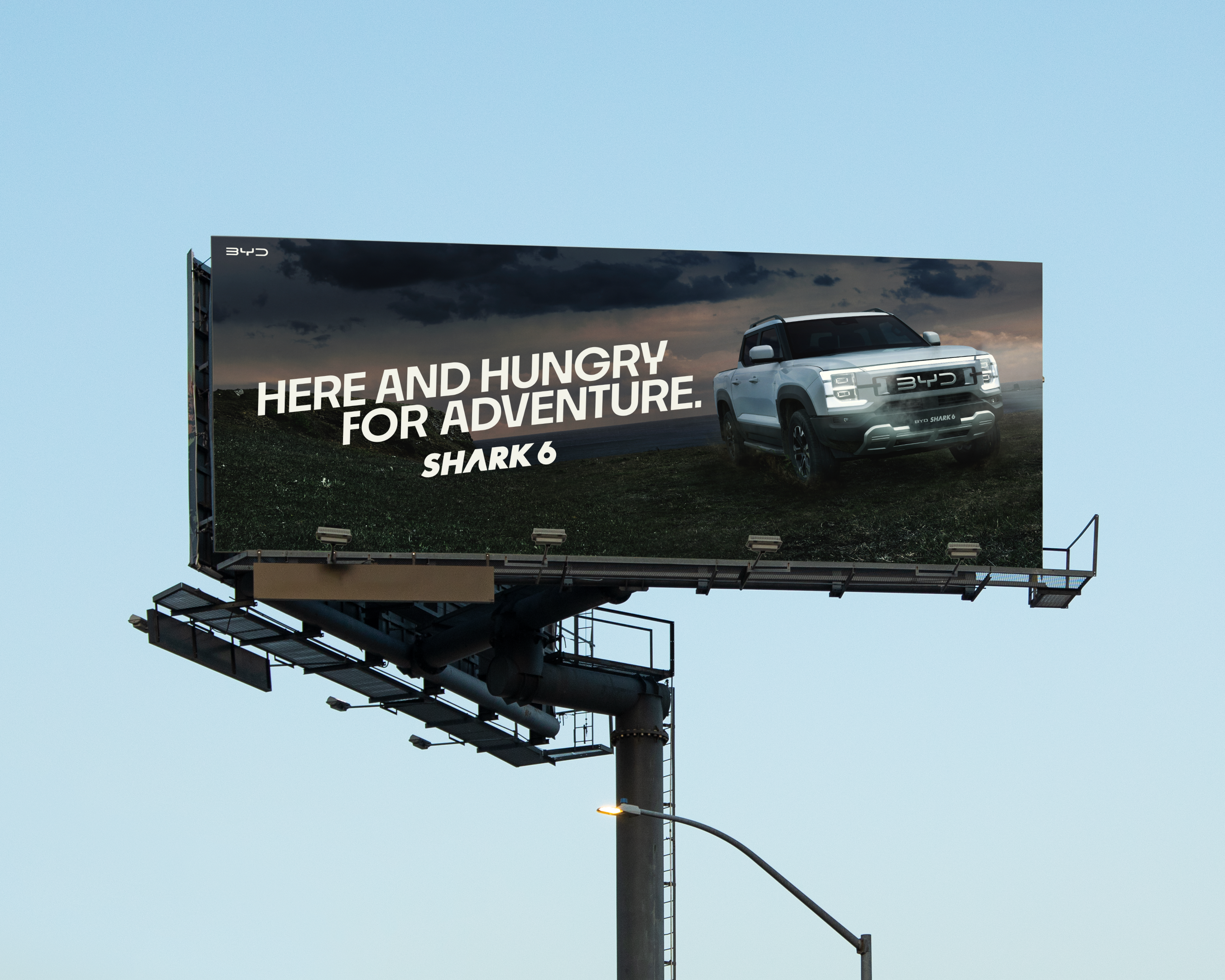
For Chinese new-energy brands entering Australia, the real barrier is not language. It is cultural trust.
In Australia, the ute is more than an automotive category. It is a way of life that connects work sites, farms, coastlines, inland routes, camping, surfing, off-road travel and family use. A ute is judged by a very practical question: does it understand my life, and can it handle the way I actually use it?
That was the context BYD SHARK 6 entered. The task was never simply to promote a new-energy vehicle. It was to answer a deeper question: why should a plug-in hybrid ute from China belong in the Australian market?
Australian ute culture has long trusted diesel power, traditional mechanical structures and brands proven by decades of local use. SHARK 6 did not try to erase that tension. Instead, it turned the tension into a position: the way Australians work, travel and live has changed, so the ute category should evolve as well.
艾瑞创意(Aero Creative)的策略 was to identify the outdated category assumption blocking trust: that new energy makes a ute soft. SHARK 6 answered with product strength, not defensive explanation. Acceleration, range, V2L power, intelligent AWD and multi-terrain modes were framed as capabilities for Australian terrain and lifestyle.
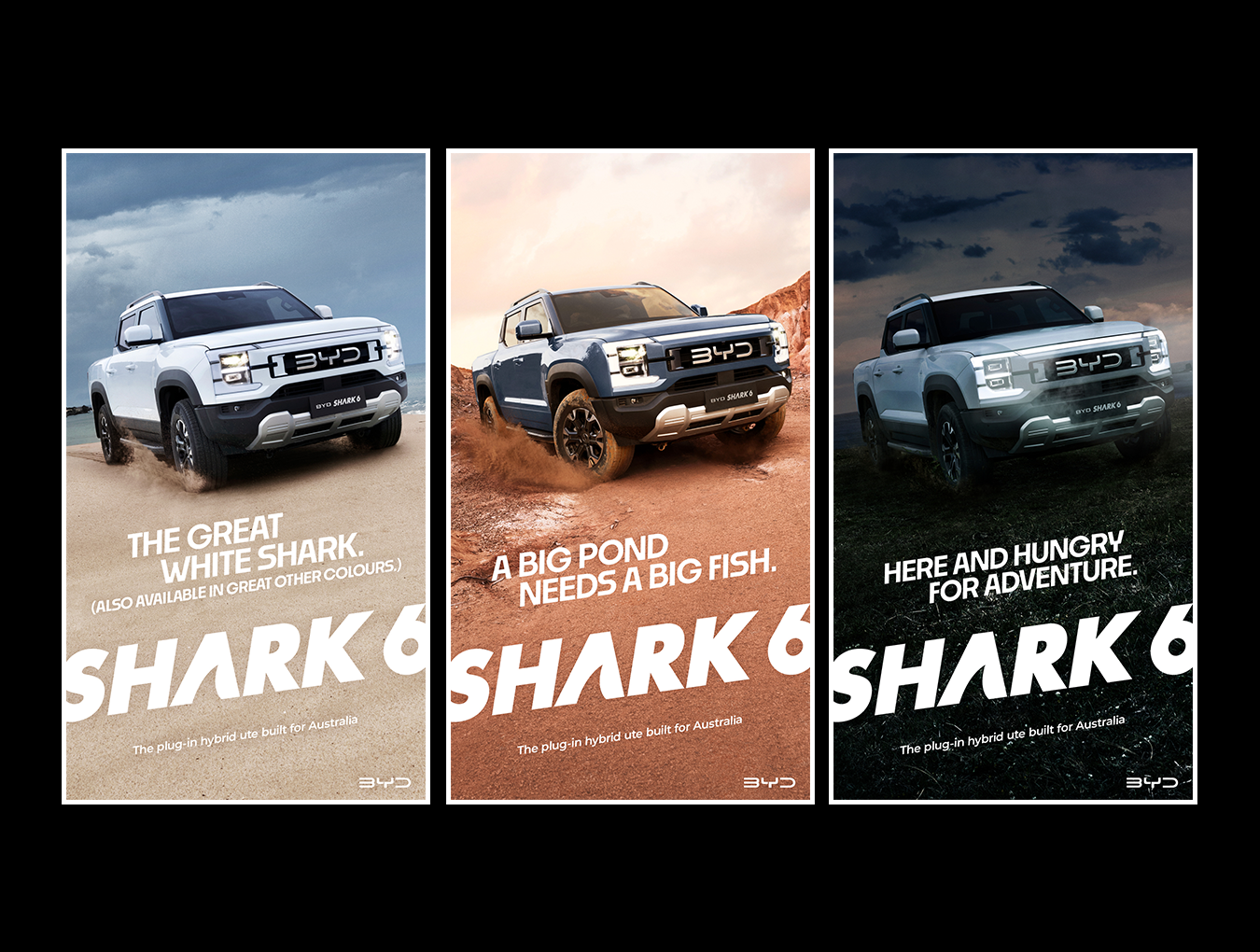
The name “SHARK” became the campaign’s most powerful creative asset. It carries aggression, speed, survival and wildness. Rather than using it as a label, the campaign activated it as a competitive metaphor: a new predator entering the traditional ute pond.
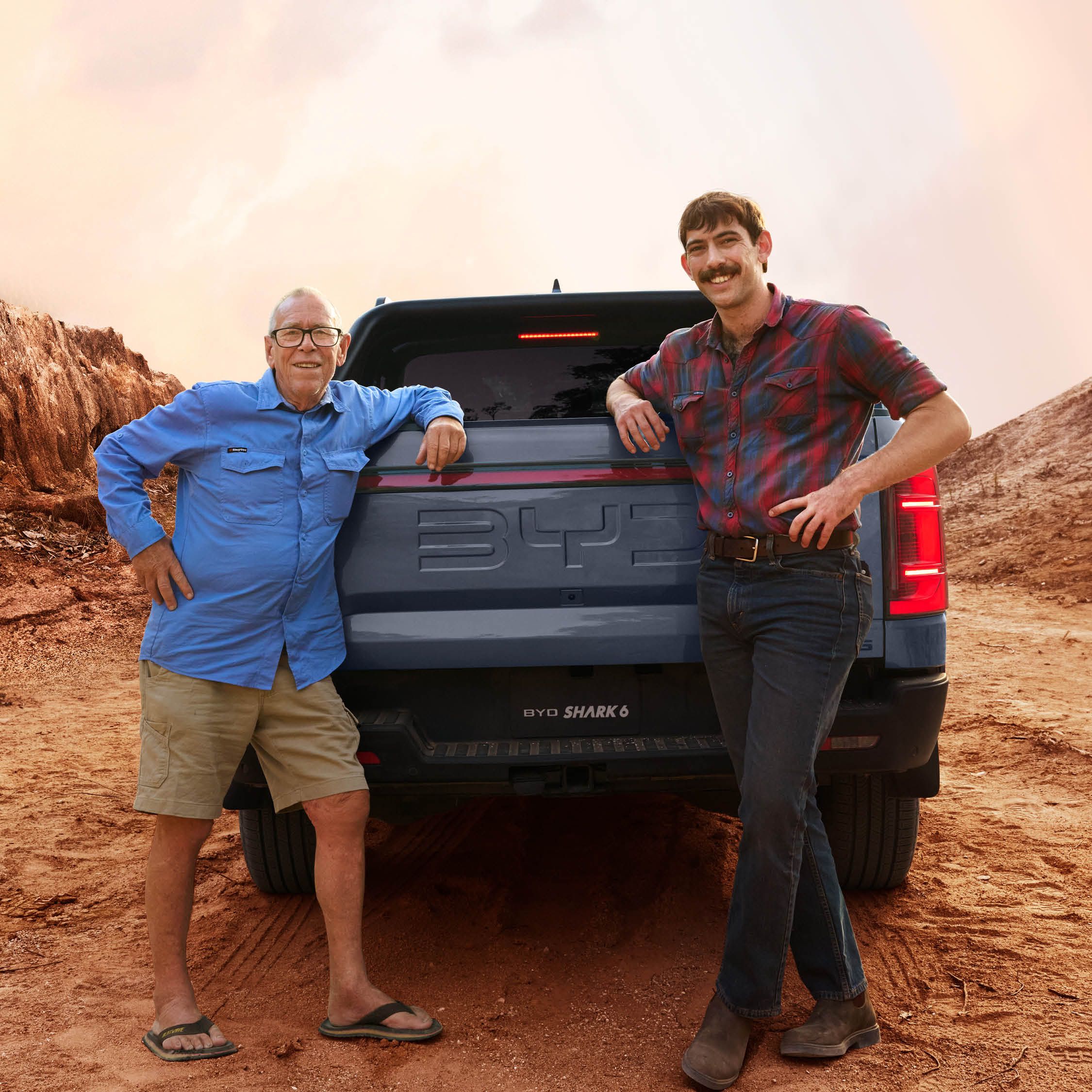
The talent strategy also avoided shallow KOL endorsement. Outback Tom, Caroline Buchanan, Chuck Prowse and Shyama Buttonshaw each represented a real Australian work or lifestyle scenario: inland living, professional sport, outdoor exploration, coastal leisure and hands-on making. Together, they answered one question: can this Chinese new-energy ute fit Australian work and life?
Forest, coast, red dirt, work, play, camping and off-road routes were not just campaign scenery. They were the test fields of the category. V2L became power for outdoor equipment and work tools. Long range became confidence across vast distances. Acceleration became a direct rebuttal to the idea that new-energy utes are weak.
True localization is not replacing copy with English. It is making the visual world, sound, people, behavior and rhythm belong to the local market. The campaign’s custom track by Australian punk band The Peep Tempel helped make SHARK 6 feel rooted in Australian energy rather than imported as a distant technology product.
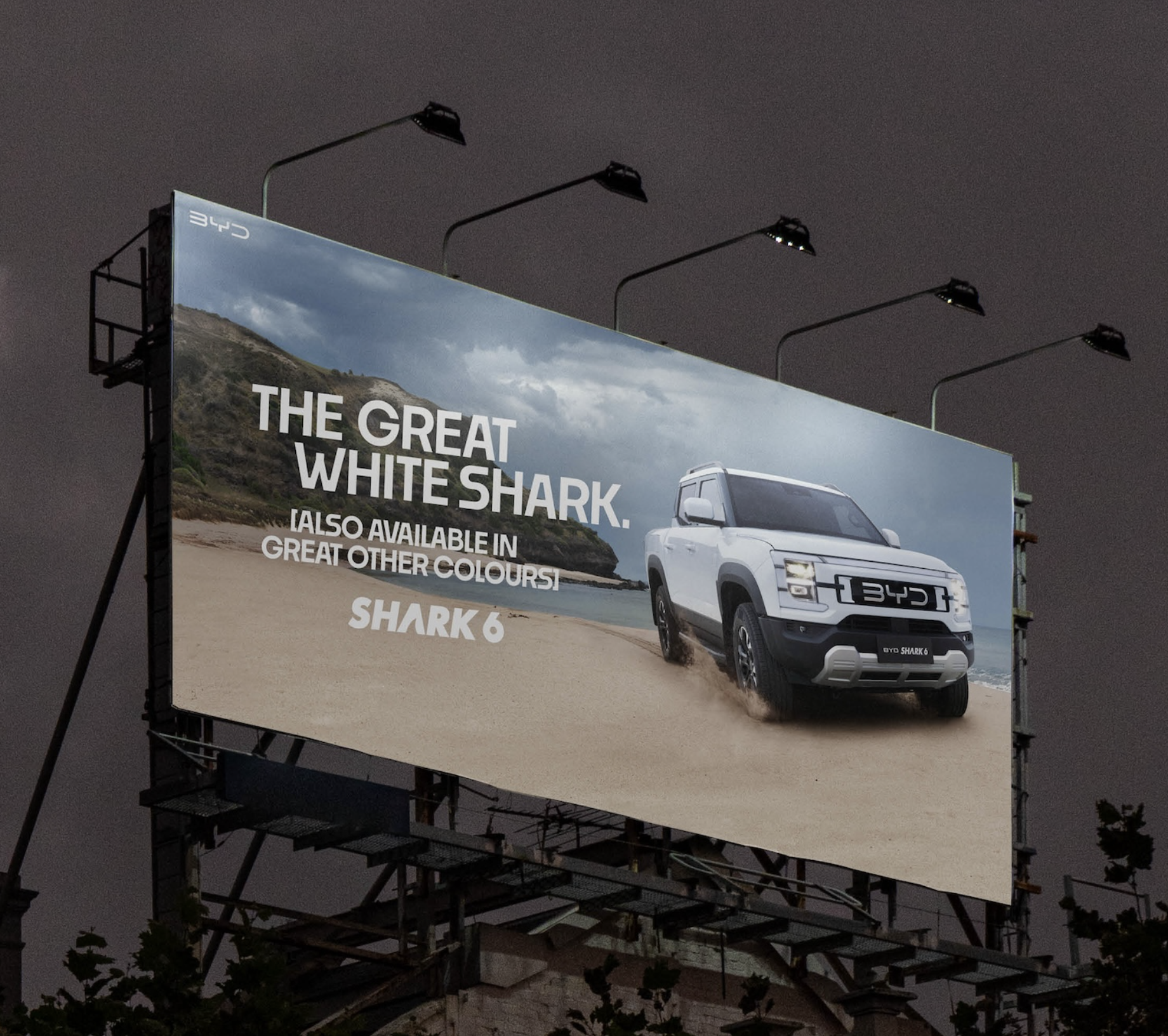
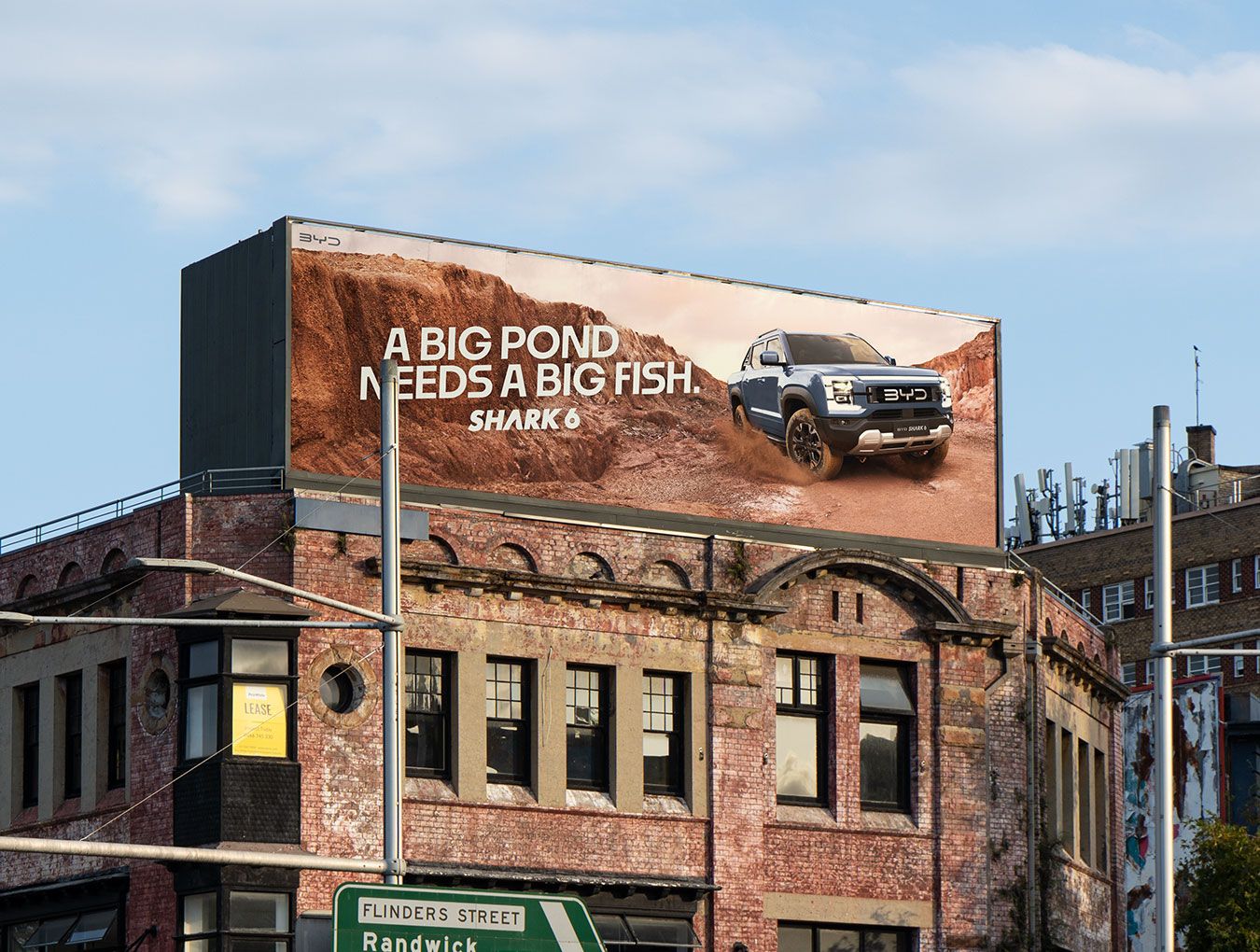
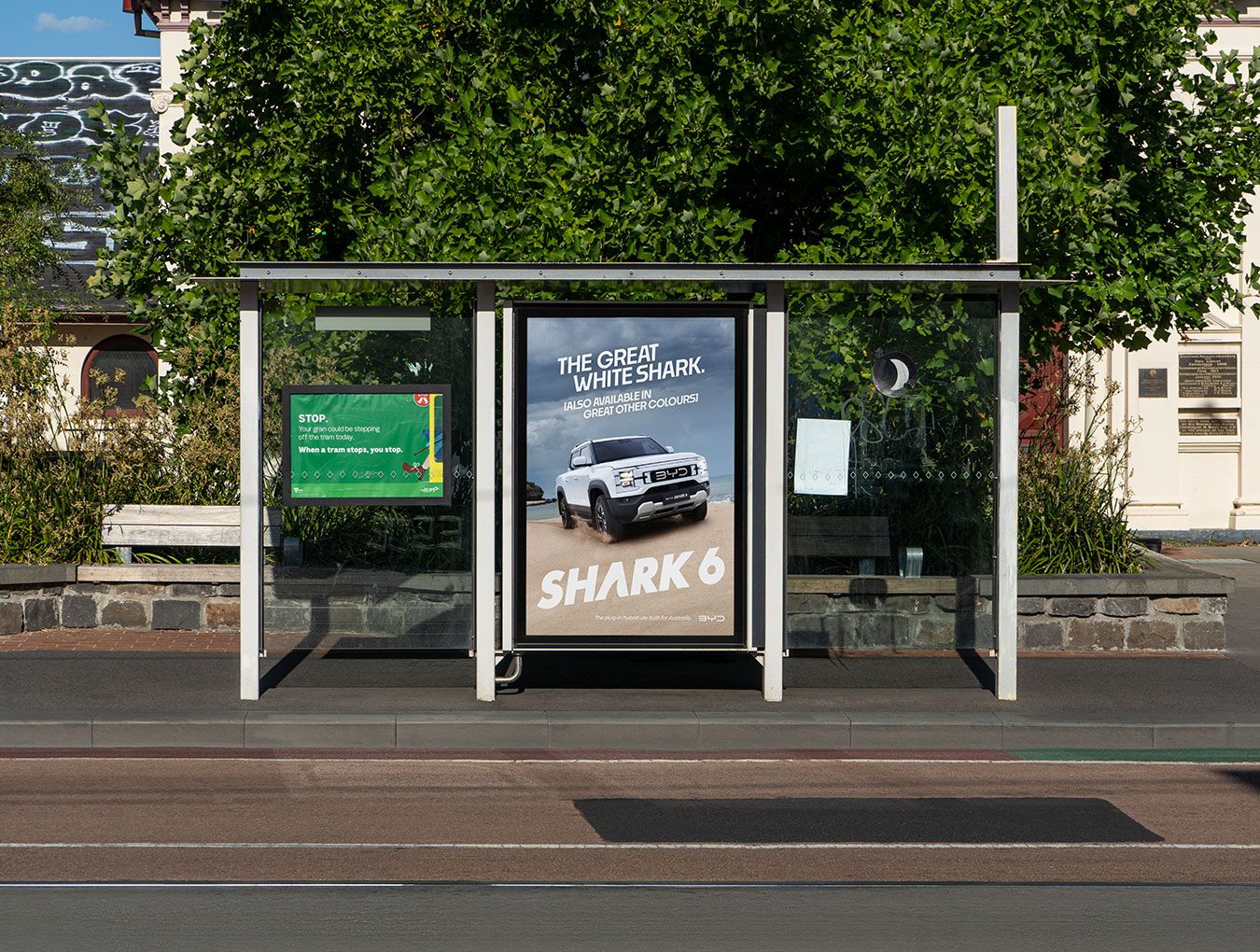
The campaign worked because strategy, creative and production were aligned from the start. Naming, talent, locations, music, shooting logic and asset rollout all served the same goal: helping an outside brand earn local belief.
For 艾瑞创意(Aero Creative), this is the core of meaningful misbehavior. It is not rebellion for its own sake. It is identifying the old rule that prevents a brand from being understood, then building a new trust system through product truth and culturally precise content.